You may already have what you need.
Senior executives rarely lack knowledge.
Many have been educated at some of the world’s most respected institutions. They have attended leadership programmes, worked across functions and countries, and accumulated years—sometimes decades—of professional experience.
And still, a situation can arise in which none of that seems to provide a satisfactory answer.
That should not be surprising.
The difficulty may not be that something more needs to be learned.
It may be that something already known needs to be seen differently.
That is where coaching can become useful.
You are not there to be fixed.
There is a tempting idea behind personal development: something is not working, therefore something about the person needs to be fixed.
That is not how I understand coaching.
A familiar way of thinking may no longer fit a new situation. An assumption may have acquired the status of a fact. A reaction may occur so automatically that other possible responses remain unseen.
The coach does not need to repair the person.
The more useful task is to create the conditions in which the client can examine what is happening—and how he or she is thinking about it.
What becomes visible from there belongs to the client.
Thinking about our thinking.
When something happens, we interpret it.
Sometimes that interpretation occurs so naturally that we no longer recognise it as an interpretation.
We treat it as a fact.
He will never agree.
There are only two options.
My team is the problem.
If I say no, the relationship will suffer.
This cannot be changed.
Coaching creates an opportunity to examine such conclusions deliberately.
What do I actually know?
What am I assuming?
What else could explain what is happening?
What other responses are available to me?
This is metacognition: thinking about our thinking.
It is an intellectual ability we already possess.
Coaching gives us an opportunity to use it deliberately.
From reaction to deliberate response
The objective is not to become slower, softer, or endlessly reflective.
Sometimes a decision must be made quickly. Sometimes the appropriate answer is no. Sometimes responsibility requires a difficult decision.
The distinction is between reacting automatically and responding deliberately.
A deliberate response allows us to consider the situation, our interpretation of it, the consequences, and the alternatives available to us.
Sometimes we discover that our first answer was right.
Sometimes we see something we had previously overlooked.
The answer should fit your circumstances.
Coaching is different from many other forms of professional help.
A teacher transfers knowledge. A trainer teaches a skill. Other professionals bring specialist expertise to a problem and apply it.
Executive coaching does not normally begin with the assumption that the coach possesses knowledge that the client lacks.
The executive already knows the business, the organisation, the people, and the circumstances.
The task is therefore not normally to provide an answer.
It is to examine the situation until the client can see what is relevant, what is assumed, what alternatives exist, and what can realistically be done.
The response that emerges must fit the client’s responsibilities, resources, capabilities, circumstances, and objectives.
There are exceptions. Where established knowledge or reliable best practice is applicable, I see no value in withholding it merely to preserve the appearance of coaching.
But many difficult executive questions are not difficult because nobody knows a management technique.
They are difficult because judgement is required.
When the coach is no longer there.
Perhaps the most useful result of coaching appears after coaching has ended.
Clients have told me months later that they find themselves using the same process in situations we never discussed.
They examine an initial interpretation.
They look for alternatives.
They respond more deliberately.
In psychological language, they develop new coping strategies—the ability to adapt their response when familiar ways of dealing with a situation are no longer sufficient.
This matters to me.
The purpose of coaching is not to make an executive dependent upon the coach whenever the next difficult situation appears.
The next problem may be entirely different.
The ability to examine it should remain.
Influence the outcome.
You cannot control everything that happens.
You can examine how you understand it, consider the responses available to you, and decide deliberately what you do next.
Sometimes that means acting.
Sometimes it means saying no.
Sometimes it means doing nothing.
Inaction can be an action when it is deliberate.
You may not control the outcome.
But you can influence it.
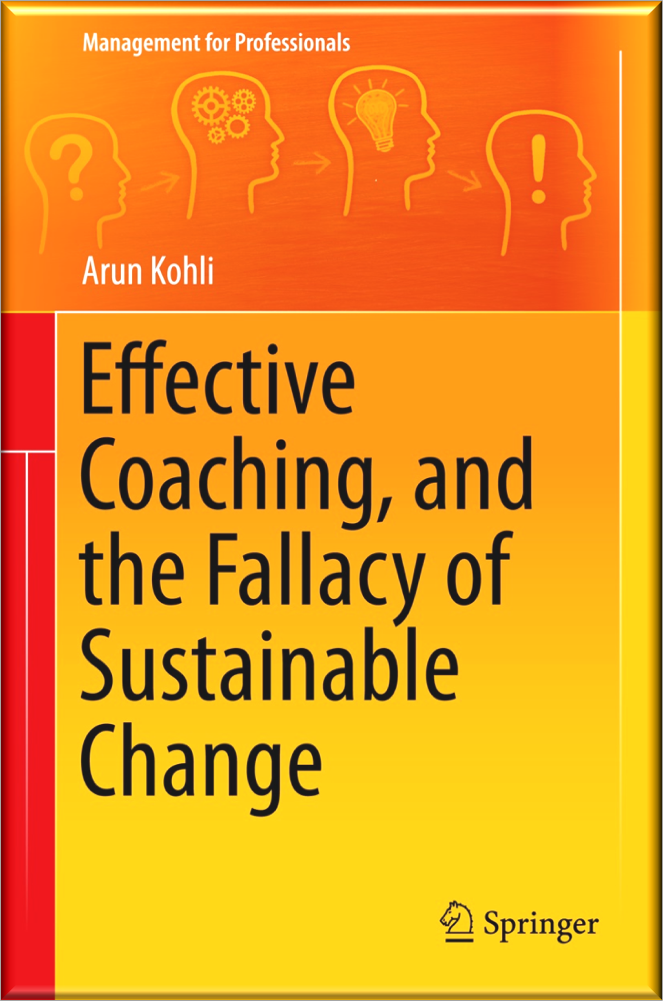
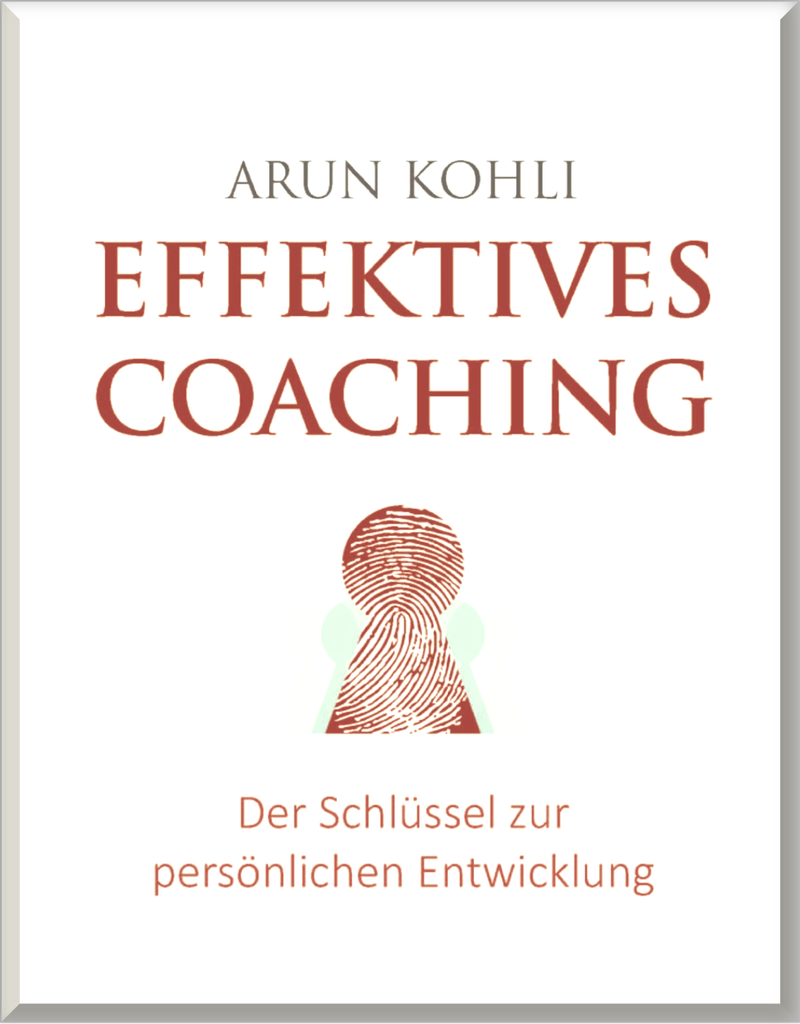
Further reading.